
Let’s talk film : Interviewing Ben lavoie
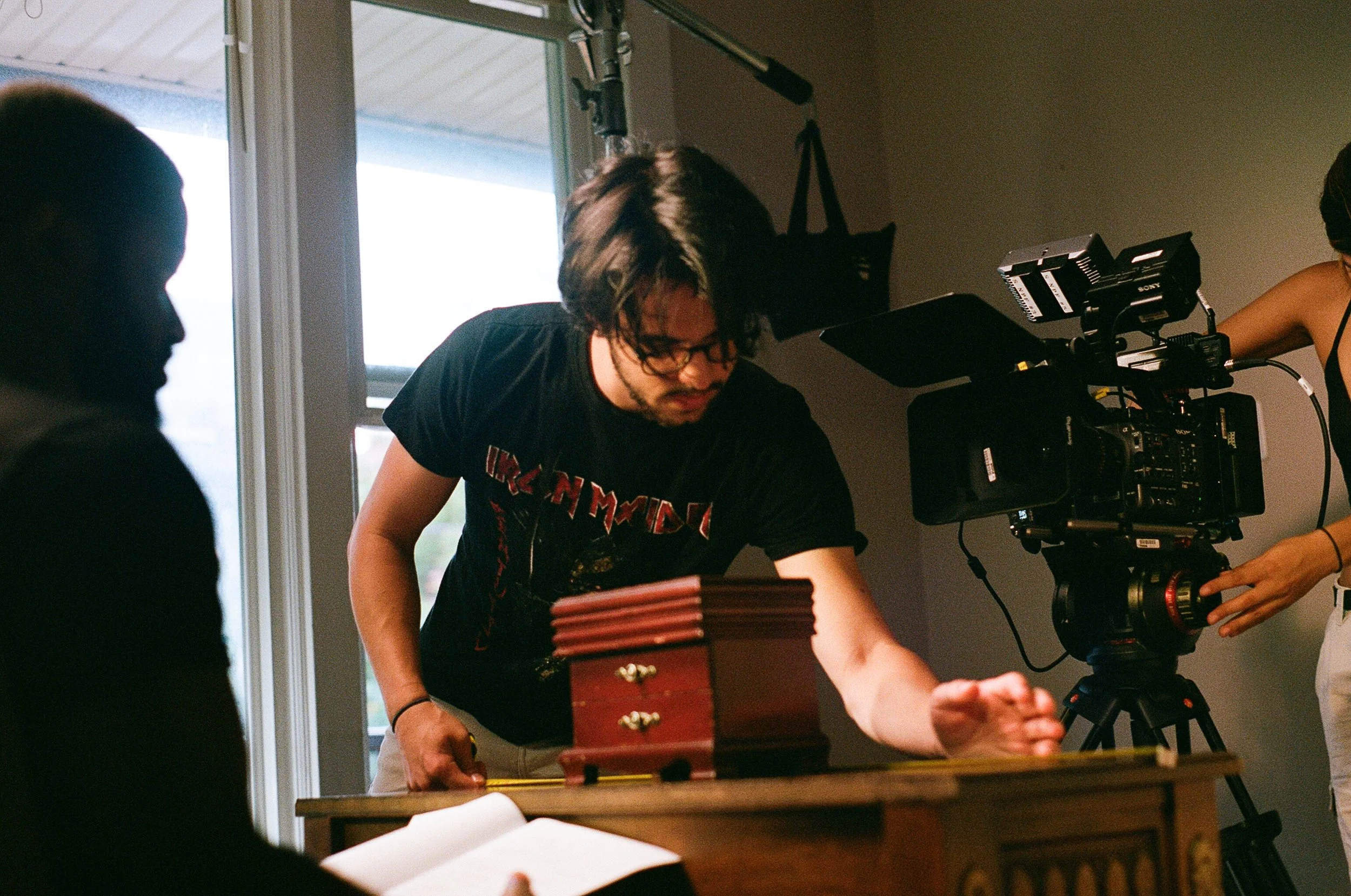
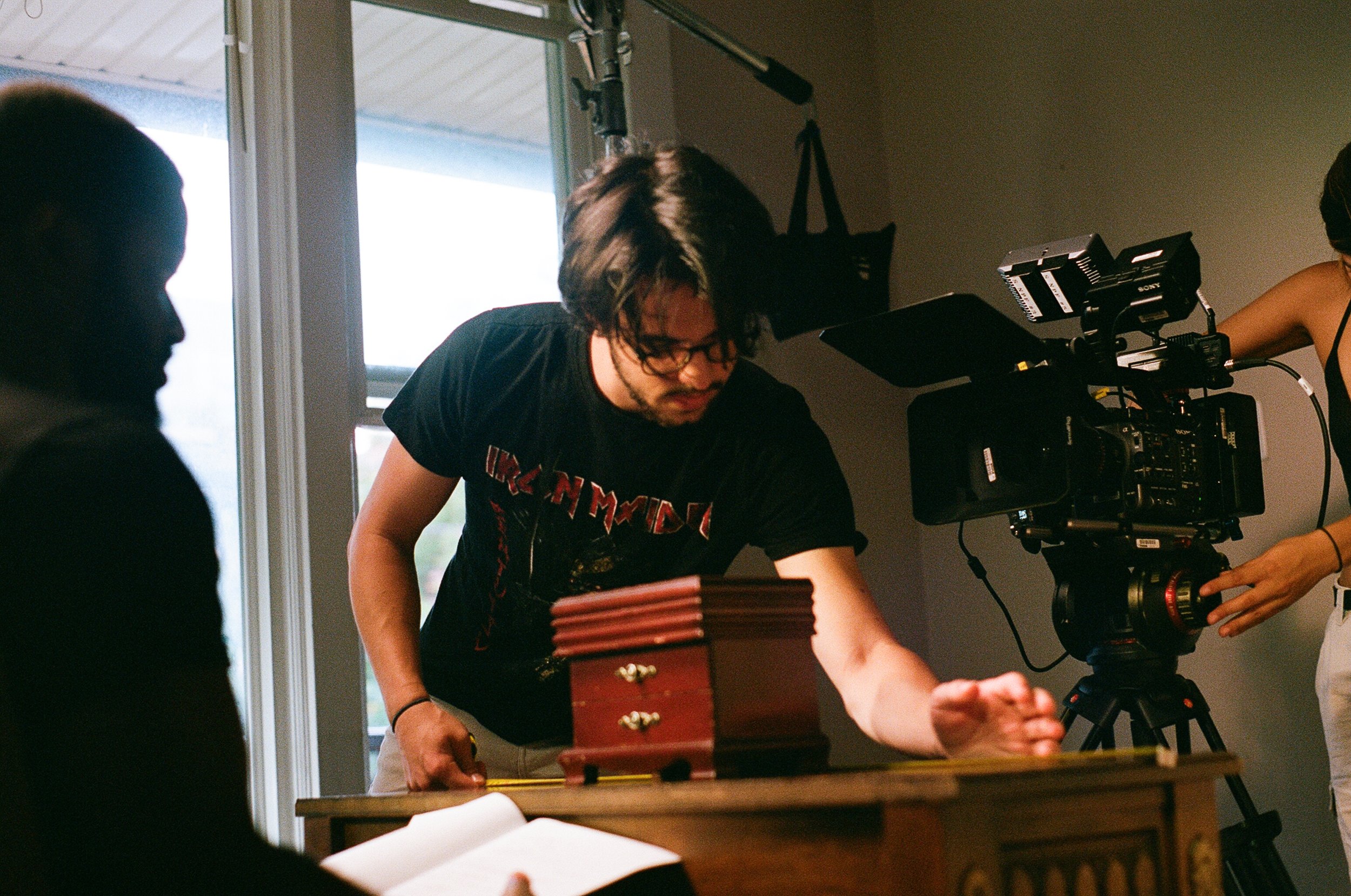
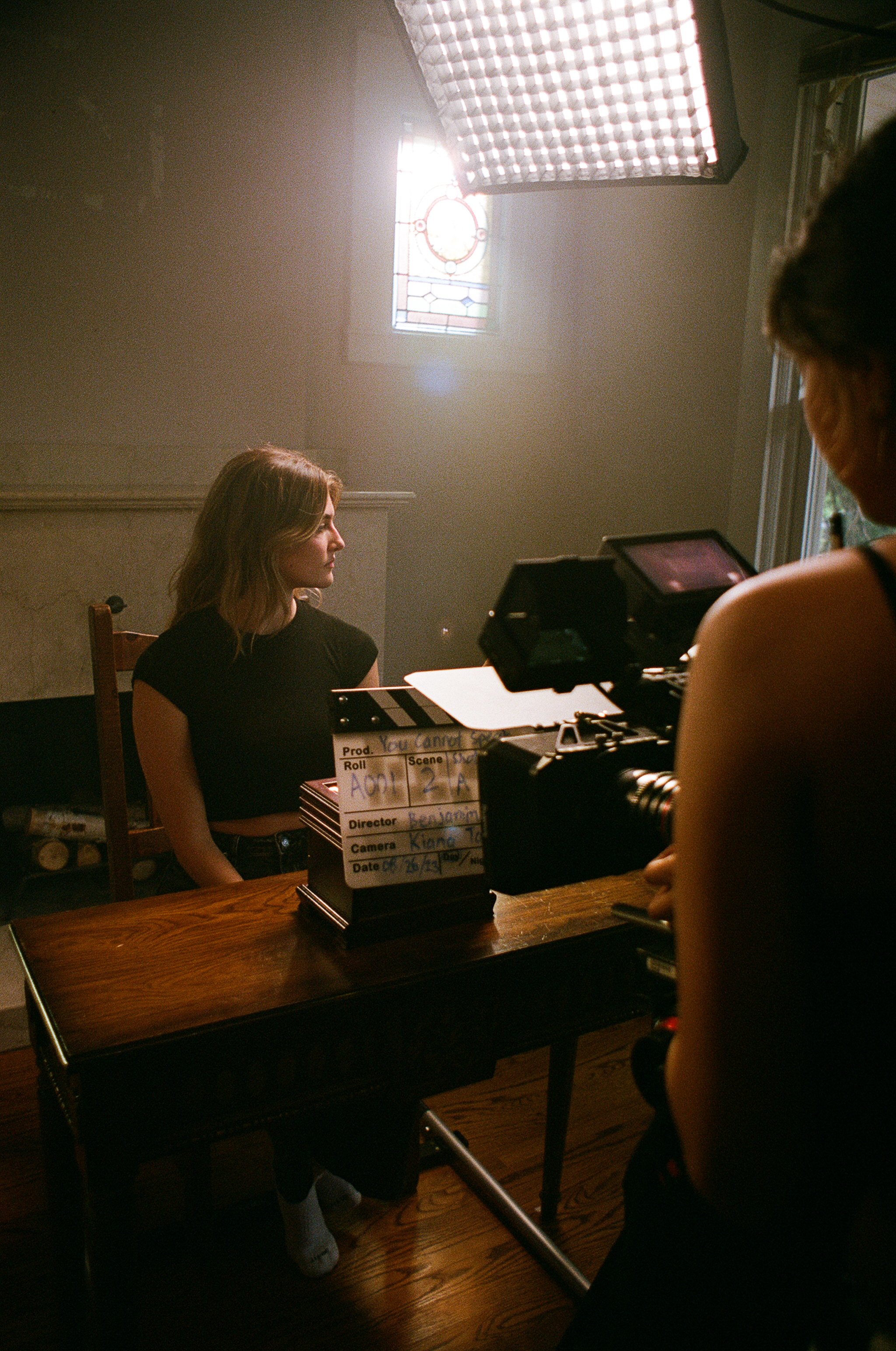
Ben Lavoie On the set of "You Cannot Speak".
Hey folks and welcome to another post on the Blog O3! For this once, I've got something really exciting for you guys because we're talking to Ben Lavoie today. Ben Lavoie is a Toronto based film maker and I was able to learn more about his work and his storytelling process and I wanted to share that with you all today. What inspired you to pursue filmmaking, and how has that initial inspiration influenced your creative approach and storytelling style?
Ben Lavoie: For as long as I can remember I’ve always loved stories. I used to make little books that I would staple together to show my family, my favourite parts of school as a child were when the teachers read books to us and these aspects of me just evolved over time. I also always liked movies, but like many at a young age, I didn’t really understand that there were people behind the making of these movies that I was watching. Eventually, I read a book called “Something Queer at the Scary Movie”. As evident by the title, there is a mystery with a scary movie being made at the centrepiece. I grew to really identify with the main characters’ aspirations in the story of wanting to make a movie no matter what, and that has always stuck with me throughout my journey so far. No matter the headspace or situation I’m in, I always find myself drawn back to needing to make films, pushing my creative limits, experimenting and just telling good stories.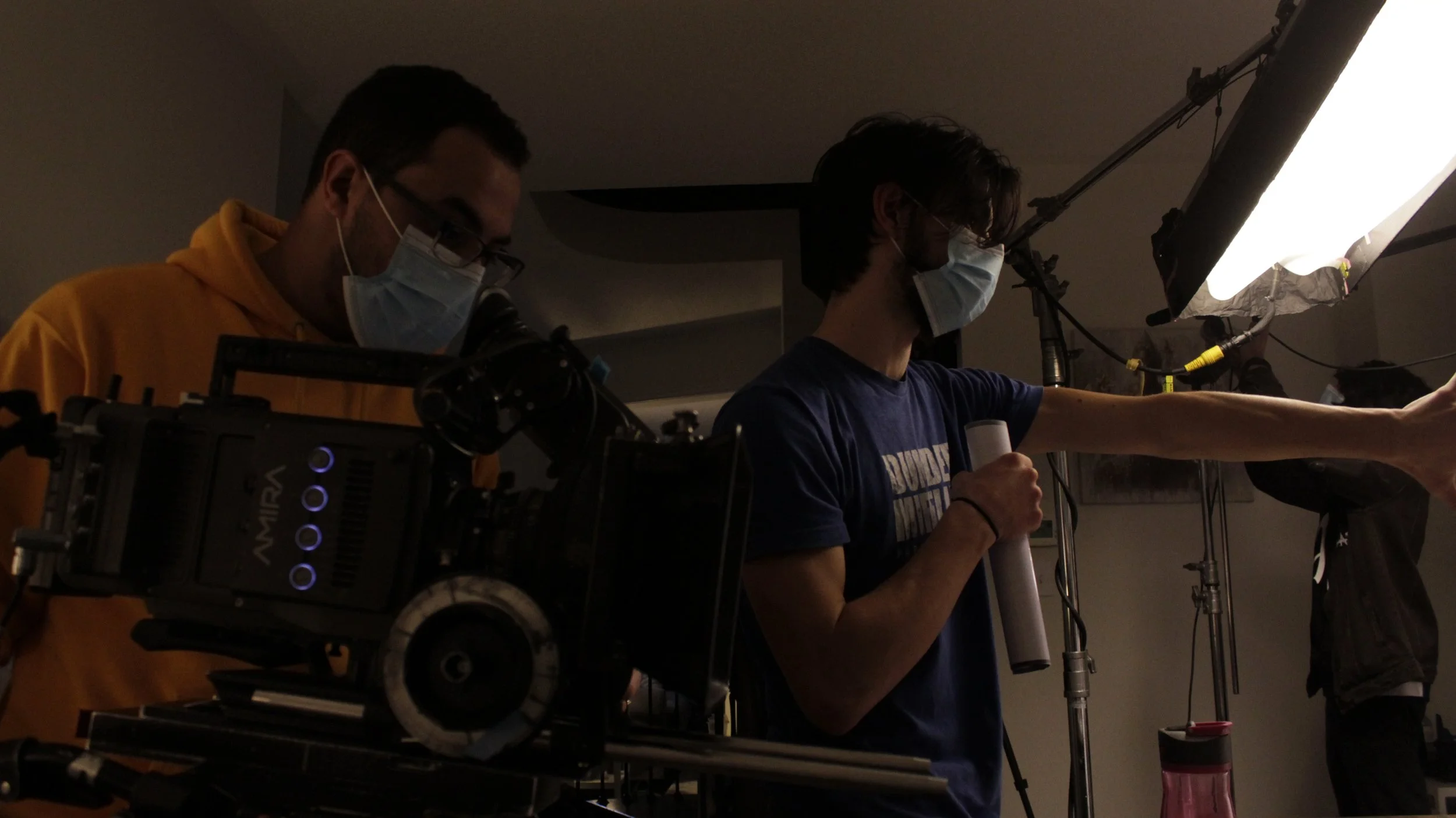
Setting up the frame with Belal Elgezawy, the cinematographer on "Dinner".
Can you share a significant challenge you faced while creating one of your films, and how did you overcome it? What did you learn from that experience?
While making my thesis short film for school I came across numerous challenges that I was not prepared for, but in a sense that was the best way to learn, however, I needed to learn to cope with the ridiculous amounts of stress that I felt throughout this long process. Being that it was a school project, there were certain mandatory requirements we had to implement to try and replicate a realistic filmmaking process that added to the number of things that I had to do. Being the head of this project I felt myself being pulled in every direction having to troubleshoot and make decisions constantly and that’s something that I was not quite ready to do at that point. After finishing the film and reflecting on the experiences I realized that I didn’t strike a proper work-life balance throughout the entire process and while some may argue that you can’t really have that working in film, I believe that it is a vital part of doing what I do as making films can be such a long and arduous process that if you don’t strike a balance, you’ll get burned out.What theme or messages do you find yourself drawn to exploring in your work, and why do you believe these themes are important to address film?
No matter what genre or type of film I’m making, I always find myself wanting to somehow explore or implement empathy. Some of the art and movies more specifically that have touched me the most have been ones which radiate empathy, not just in the story but for its actors, its crew and its audience. I don’t think there is a more important idea that people can explore than empathy as I am a firm believer that many of the problems we face today are born from a lack of empathy for one another. Collaboration is integral to filmmaking. Can you discuss your approach to collaborating with other creatives, such as writers, cinematographers, and actors, and how these collaborations contribute to the overall success of your projects?
Every filmmaker works differently, so I don’t think there is a right or wrong way of collaborating, but what I do think is universal across the board is self-reflecting on how you can collaborate differently and improve from project to project. For my first film, I tried to take on a lot of roles and really micromanage every aspect of the production, this caused me a lot of unnecessary stress, so for my next project I decided to try and delegate tasks to the people I was working with. Instead of micromanaging, I would communicate with them what I wanted and would let them handle it from there. I also wanted to give my collaborators more room to express their own ideas so that we could maybe try those. There were a number of times when things were presented to me that I hadn’t even considered and made the production all that much better. Not only did it significantly reduce my stress but it also created an end result that I was happier with than when I had tried to do everything. 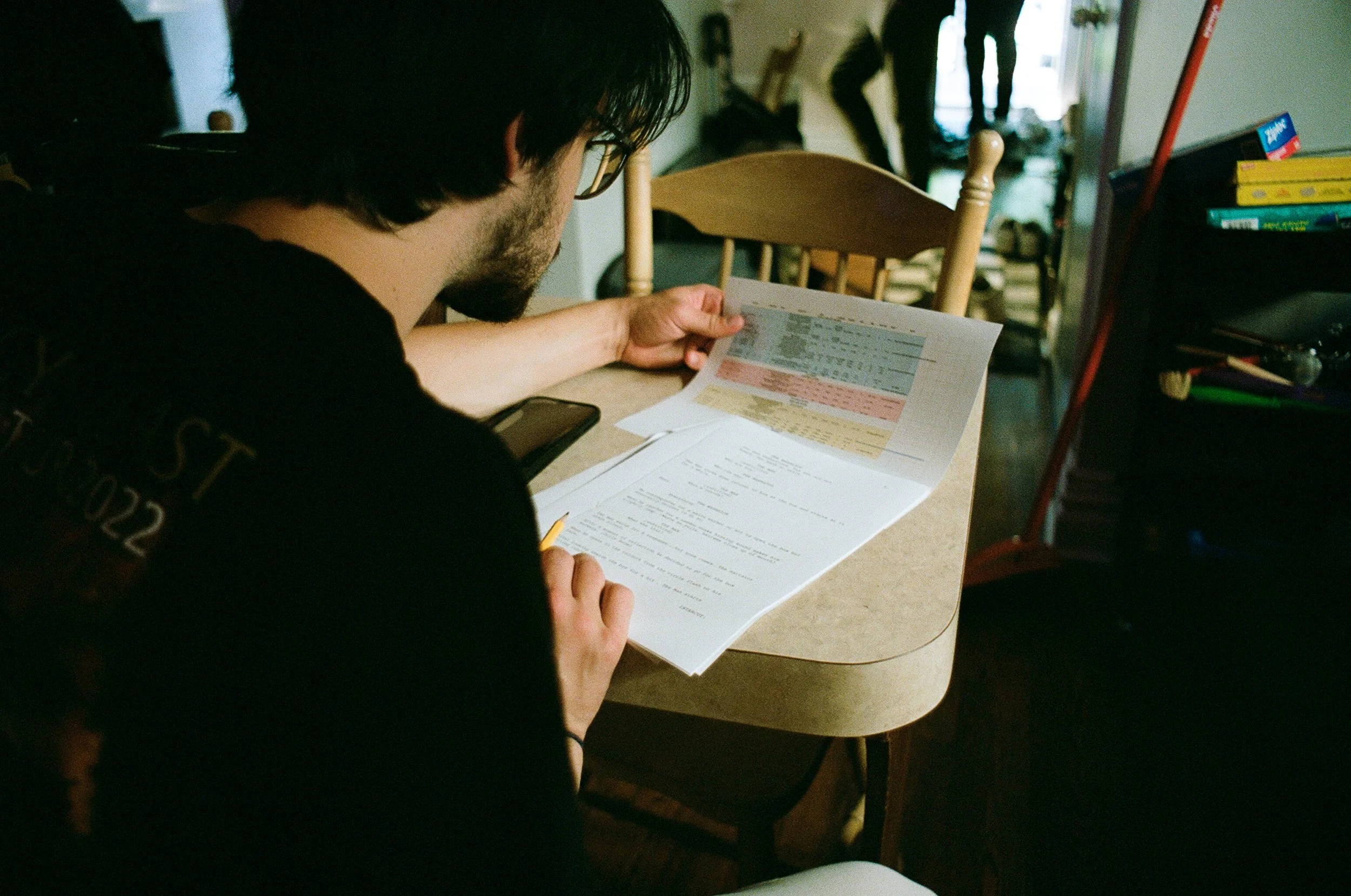
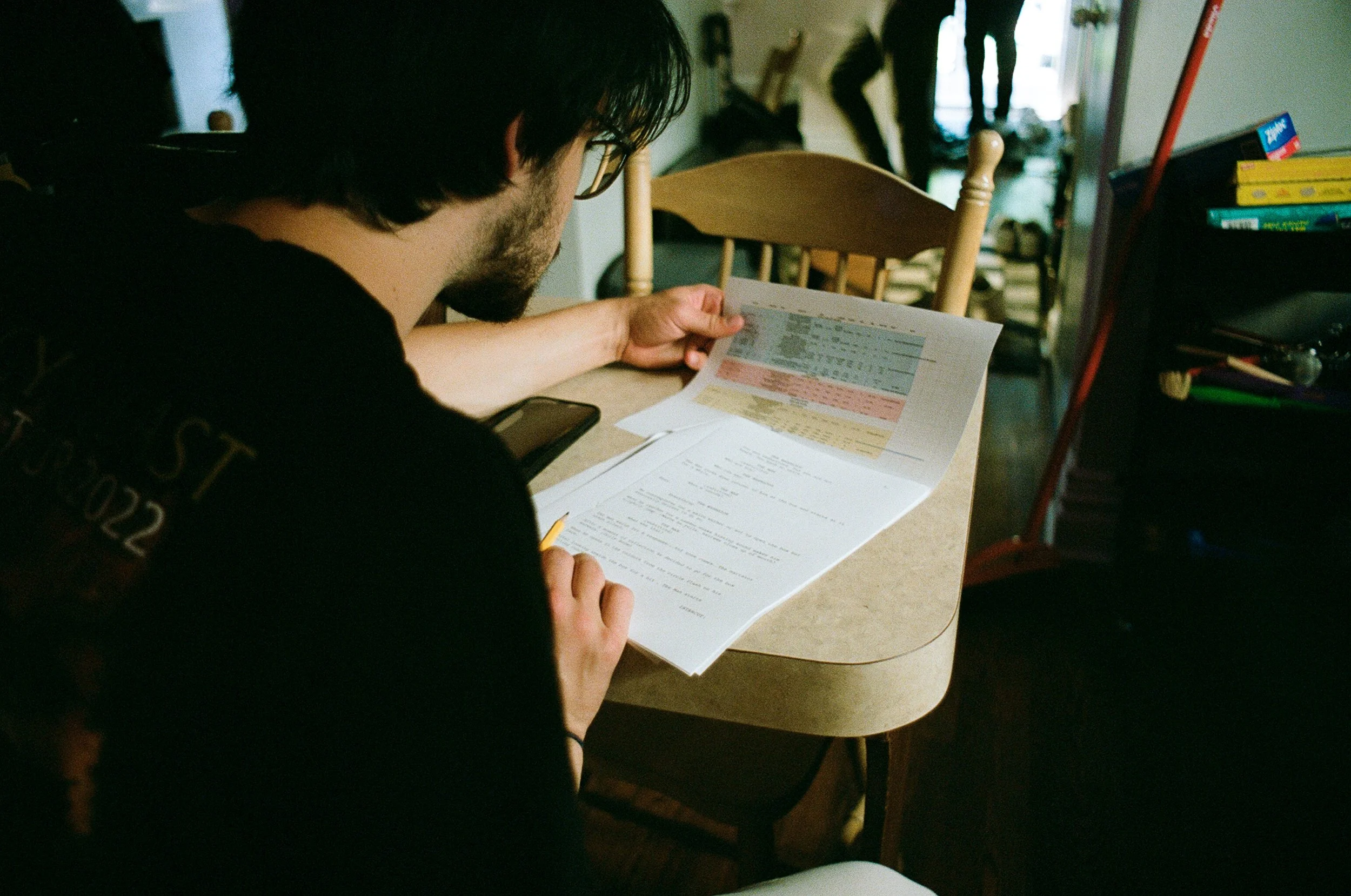
Looking at the shot-list and script for "You Cannot Speak".
What do you believe sets your filmmaking style apart from others, and how do you strive to maintain your unique voice while navigating various projects and genres?
To be honest I still think that I’m finding my voice and style. As previously mentioned I’m drawn to themes of empathy throughout my work and I think and hope that that will always remain a staple of mine. I also hope to keep giving my collaborators freedom on set to express their ideas and hopefully give them a good experience in the process. Lastly, I’ve found myself recently being really fascinated by more avant-garde types of film and working styles and I hope to keep always experimenting and pushing the envelope in one way or another. Could you discuss a film or filmmaker that has had a profound impact on your own artistic journey, and how has their work influenced your approach to storytelling or filmmaking techniques?
I believe in the fact that everything you experience and every piece of art you consume has an impact on you as an artist, however depending on what point you’re at in your life or what project you’re working on that can always change so that is a difficult question. If I had to narrow it down for the current project that I’m finishing up I would probably say that one of the biggest inspirations for this film was David Lynch. I’ve always been fascinated by surrealism and different ways of expressing an idea, and that’s something that I feel like he does in spades. Having had so many restrictions on my previous film as well, I really wanted to make something that was completely crazy and out there as I found that I’m in the perfect moment of my life to make such a project as down the line I may not get the opportunity. 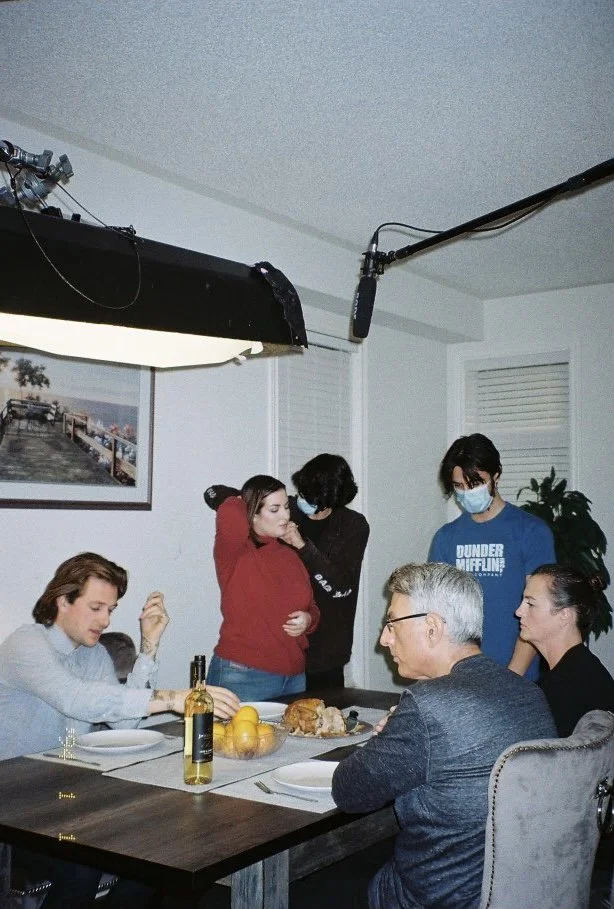
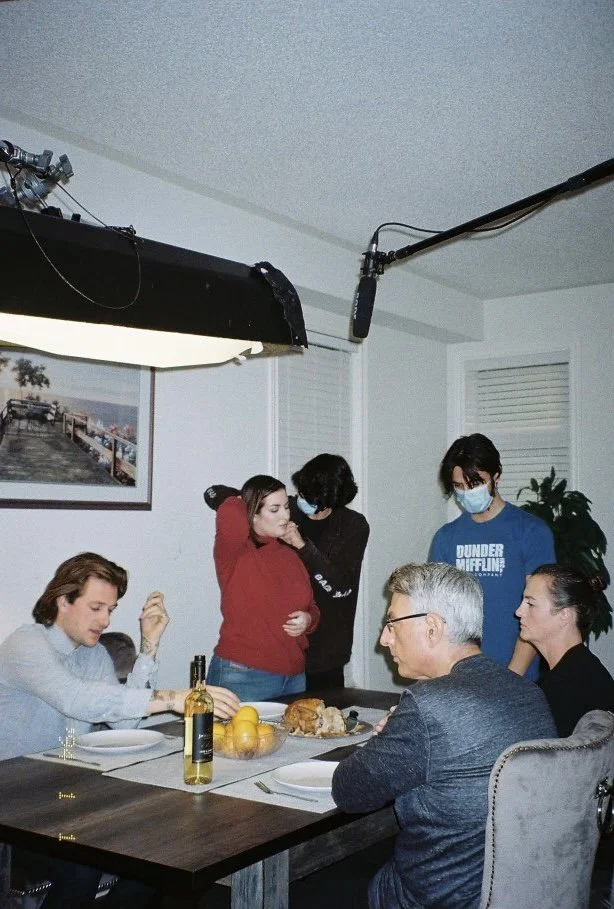
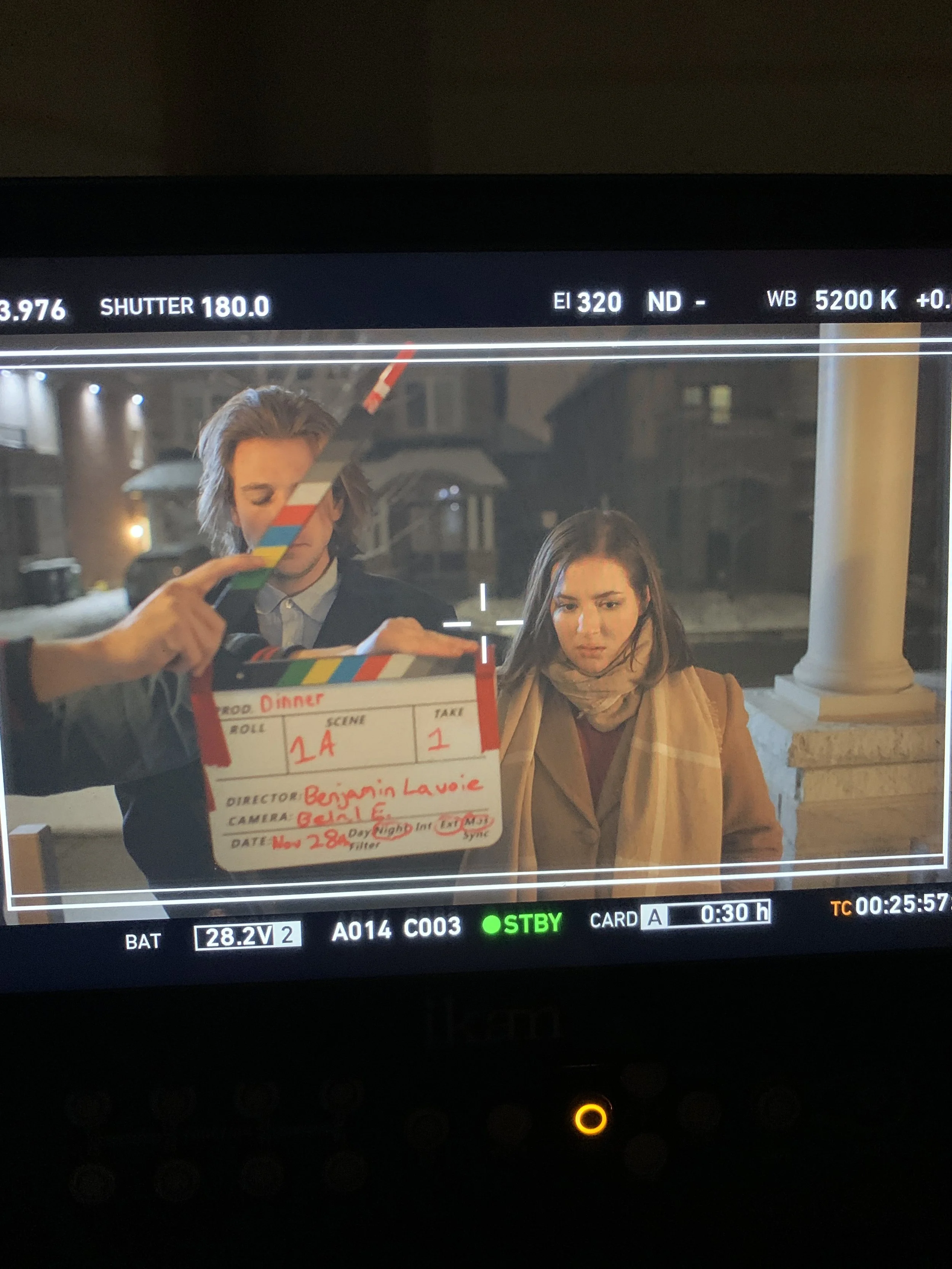
On the set of "Dinner".
Any upcoming projects and film works you’re excited for people to experience?
I’ve mentioned it a few times here but I’m currently finishing up post-production on my latest short film “You Cannot Speak” and I’m ridiculously excited to put it out there for the world to see. Otherwise, I’m working on one other really big project right now that I haven’t spoken about yet that I really hope to make soon. Gallery
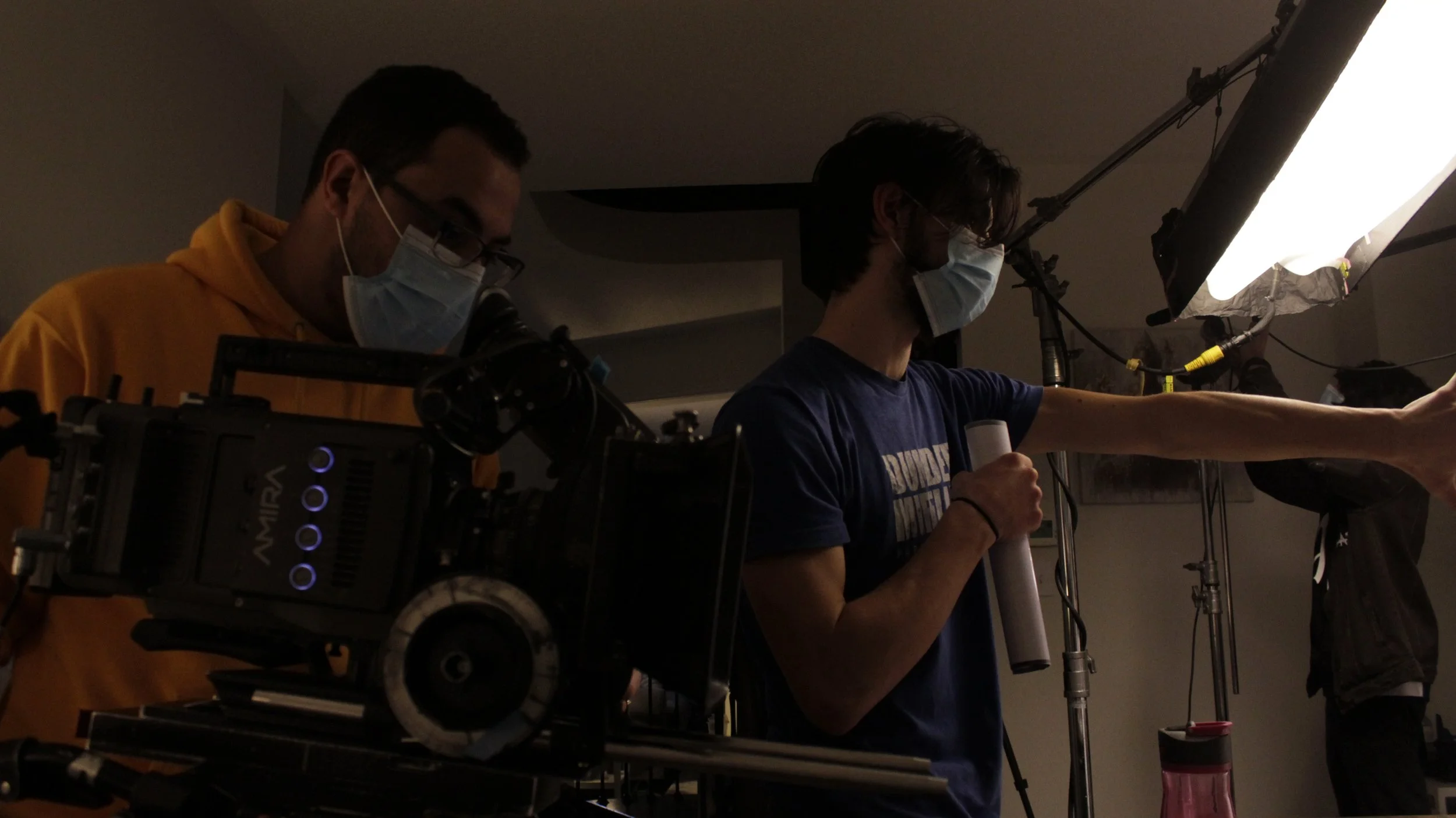
1. Setting up the frame with Belal Elgezawy, the cinematographer on "Dinner".
2. Looking at the shot-list and script for "You Cannot Speak".
3. On the set of "You Cannot Speak".
4. On the set of "Dinner".
5. The lead actress of "You Cannot Speak", Melissa Kiley.
6. The slate on the Monitor for "Dinner".